
 Store
04 — Third-party manufacturing
The batch follows the brief.
Third-party manufacturing keeps your brand on the pack and puts a written specification under the production.
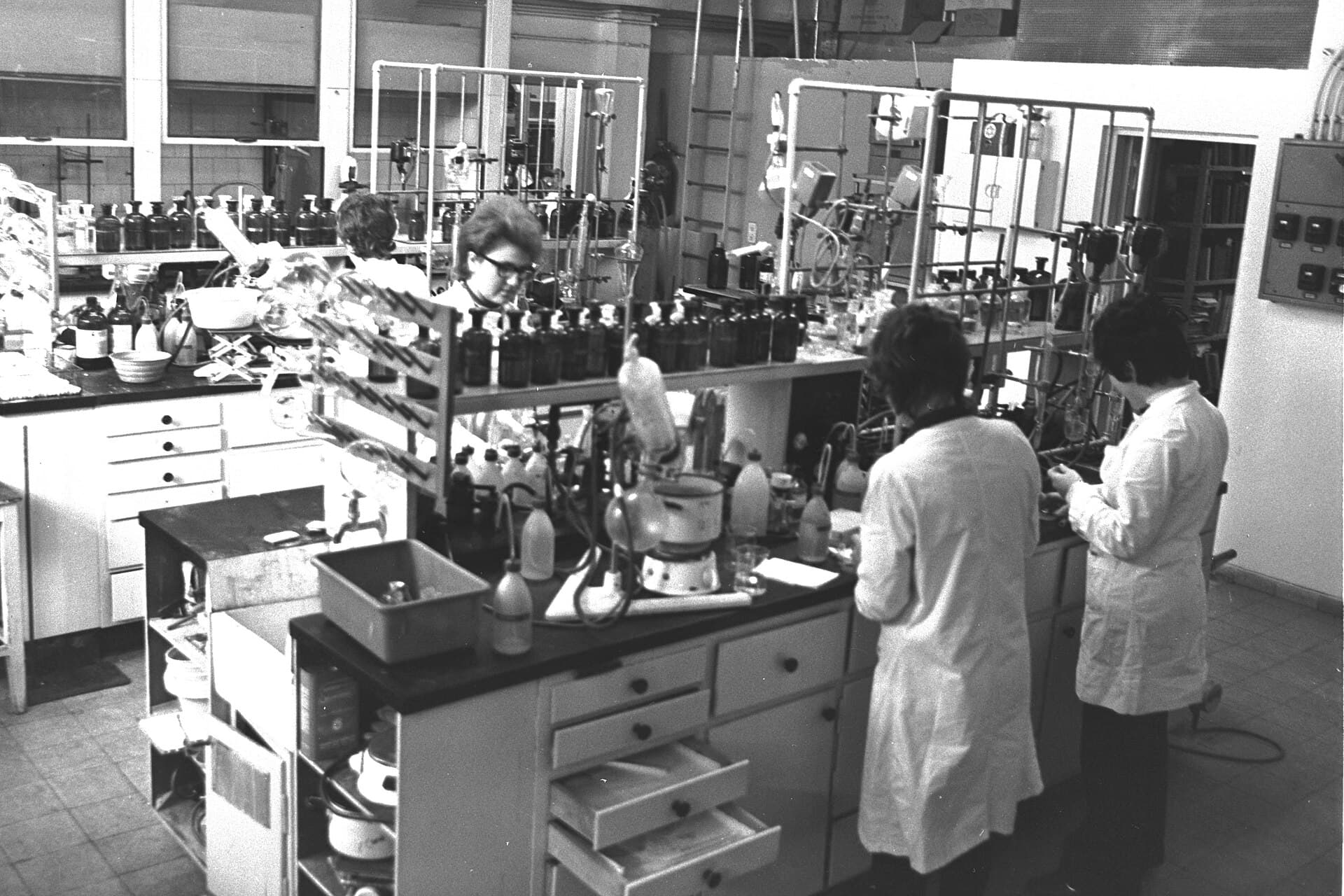
Pipasha Healthcare coordinates this path for Ayurvedic, Unani, herbal, cosmetic and nutraceutical products. The same six stages apply. The documents inside them do not.
Nothing on this page is a promise of a clinical result. It is a description of how a manufacturing order is run.
01
Enquiry and product selection
Product selection starts with the category and the dosage form you intend to sell. If you already have a reference pack, send it. If you do not, say what the unit should be.
02
Formulation development
Formulation development turns an idea or a client recipe into a specification a line can repeat. When the formula is already yours, the partner follows it rather than replacing it.
03
Manufacturing coordination
Manufacturing coordination covers materials, batch size and the components that have their own lead times. Bottles and cartons often decide the date, not the bulk alone.
04
Quality testing
Quality testing is the set of checks written into that specification: incoming materials and finished goods. The list changes with the category and the site. It is agreed before the batch, not invented afterwards.
05
Packaging and labelling
Packaging and labelling put your brand on the unit. The artwork version that was approved is the one that is printed. Label text has to fit the category and the market.
06
Dispatch and supply
Dispatch and supply move released goods to the address on the order. A reorder should name the existing specification and only the fields that changed.
B2B enquiry
Send the product you want made.
Category, dosage form, pack and quantity are enough to open the file.